Where Should You Live In Bristol?
Most Bristol neighbourhood guides list areas without ranking them honestly or explaining which ones fit your budget, commute, family plans or mortgage position.
That is not much help when you are about to sign a lease, put down a deposit or work out what you can realistically borrow. You searched for a Bristol neighbourhood guide because you need a straight answer: which areas are worth your money, which suit your lifestyle, and which ones you should think twice about depending on your circumstances.
As Bristol-based mortgage advisers, we know how much your postcode shapes the buying journey. Here is what you actually need to know.
*All property prices and rental figures are approximate and based on data available at time of publication. We recommend checking current sold prices on Rightmove and Zoopla before making any decisions.
Moving to Bristol: How to Choose the Right Area
Bristol splits into three broad zones, and understanding them saves you a lot of wasted viewings.
The affluent north-west (Clifton, Redland, Westbury-on-Trym) commands premium prices but delivers top schools, open space on The Downs, and low crime. The creative south (Southville, Bedminster, Totterdown) offers similar cafe culture at lower price points. East Bristol (Easton, St George) is the most affordable and most culturally diverse part of the city.
Bristol Temple Meads is the main rail hub. If you are commuting to London, proximity to it matters more than almost anything else. South and east Bristol postcodes tend to be closer.
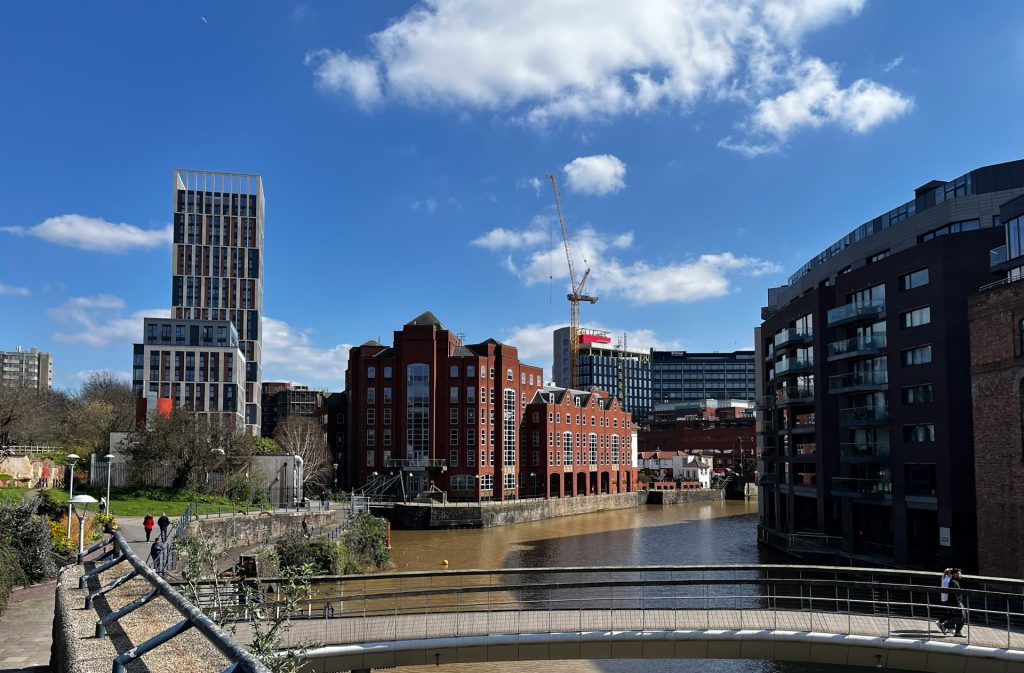
City-centre living suits young professionals who want walkable access to employers around Temple Quarter and the Harbourside. Apartments in developments around Finzels Reach and Redcliffe typically rent from around £1,300 to £1,600 per month for a one-bed, and Temple Meads station is under ten minutes on foot. Suburban fringes suit families who need school catchments and garden space. The city’s property market spans a wide range. Apartments average around £240,000, while detached homes in premium postcodes go significantly higher.
As a rough guide: under £300k narrows you largely to east Bristol; £300k to £450k opens up Totterdown and parts of Southville and Bedminster; above £500k puts Bishopston, Redland, Clifton and Westbury-on-Trym in range.
The Best Neighbourhoods in Bristol Overall
Clifton
Bristol’s prestige address. Georgian architecture, The Downs on your doorstep, and the Clifton Suspension Bridge as your local landmark. Average prices for a two-bed flat start around £350,000, and detached homes in the best streets can exceed seven figures. The downside: parking is a constant headache and tourist footfall along the Village can wear thin.
Redland
Popular with families and younger buyers alike. Victorian and Edwardian housing, tree-lined streets, and excellent school catchments including Redland Green School make it a reliable pick. It is quieter than Clifton but still well connected.
Southville
Bohemian and walkable. Southville is home to Upfest, described as Europe’s largest street-art festival. North Street is lined with independent cafes, bars and delis. It has gentrified sharply over the past decade, so prices have risen, but it is still cheaper than the north-west.
Montpelier
Independent spirit runs deep here. Montpelier is a favourite among creative professionals and artists. It has a bohemian character similar to Stokes Croft but with calmer residential streets and slightly higher prices.
Harbourside
Waterfront living near the SS Great Britain and the Arnolfini arts centre. Modern apartment developments dominate, and the area suits young professionals who want to walk to work and eat out regularly.
Bishopston and Gloucester Road
Gloucester Road in Bishopston is frequently cited as one of the longest stretches of independent shops in the UK. Residents describe it as Bristol’s indie district. It is a strong pick if you value local, independent retail over chains. Family-friendly, with good schools nearby and a genuine community feel.
| Neighbourhood | Avg. Property Price | Best For |
|---|---|---|
| Clifton | £500k+ | Prestige, architecture, The Downs |
| Redland | £500–650k | Families, school catchments |
| Southville | £400–470k | Walkability, cafe culture |
| Montpelier | £400–525k | Creatives, village feel |
| Harbourside | £300–400k (flats) | Young professionals |
| Bishopston | £475–575k | Families, independent retail |
Clifton: Bristol’s Most Prestigious Neighbourhood
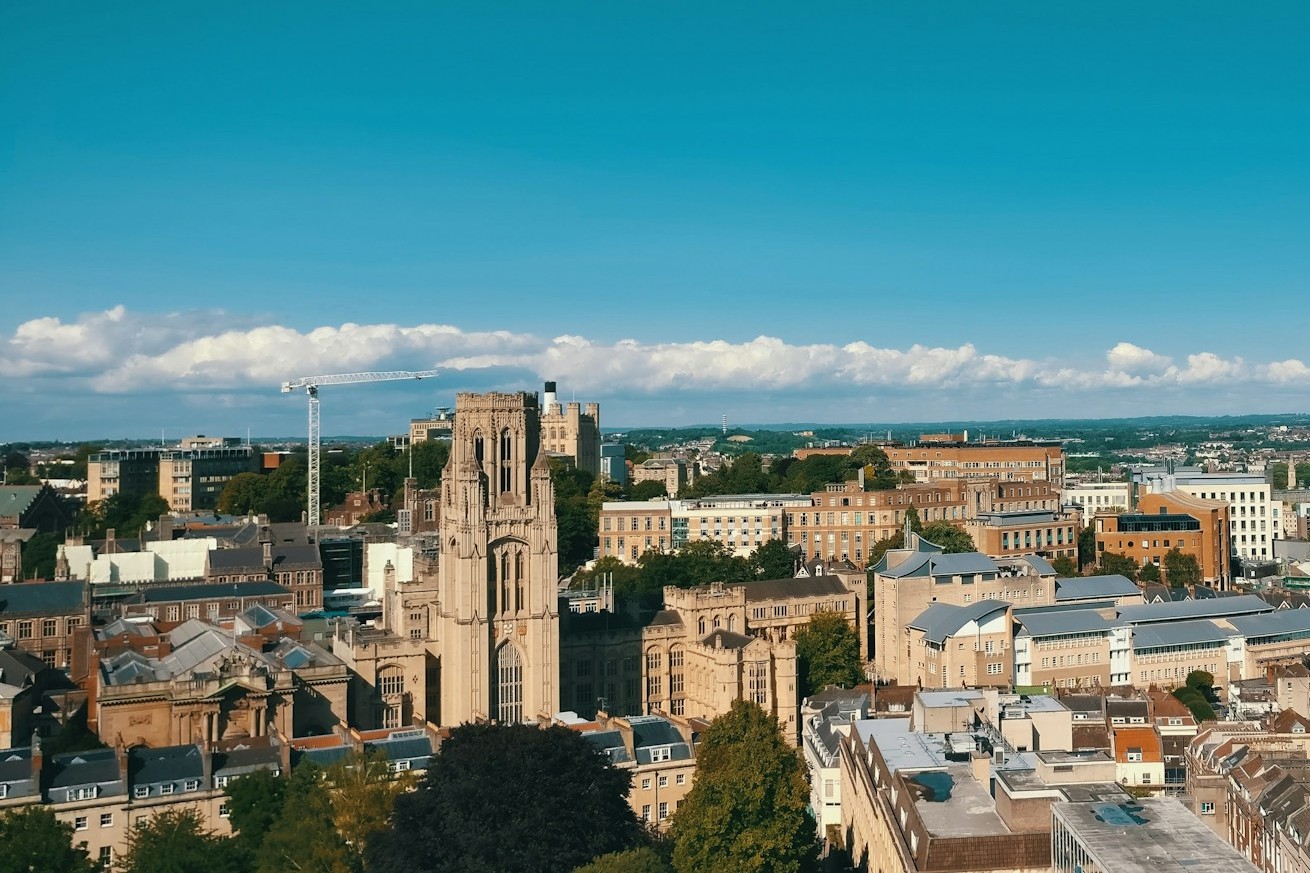
Clifton sits north-west of the city centre on a hill overlooking the Avon Gorge. The Clifton Suspension Bridge draws visitors year-round, while The Downs gives residents a large stretch of open green space close to home.
Clifton College and Clifton High School are two well-regarded independent schools within the neighbourhood.
Clifton Village offers independent boutiques, restaurants and a weekly farmers’ market. If Clifton is where you want to buy, it is worth understanding your borrowing position early. It is easy to fall for a property before checking what a lender will realistically offer.
Southville: Character, Community and Street Art
Southville sits directly south of the city centre across the River Avon, in the BS3 postcode. Every two years it plays host to Upfest, which draws thousands of visitors to what is widely regarded as Europe’s largest street-art festival.
North Street is the neighbourhood’s commercial spine, packed with independent bars, cafes and delis. Wapping Wharf, a container-market dining and retail development on the nearby harbourside, is within easy walking distance.
Southville has gentrified significantly, attracting families and professionals rather than a student crowd. Expect it to be quiet by Bristol standards at night.
Stokes Croft: Bristol’s Creative Corridor
Stokes Croft is a cultural rather than administrative district, linking the city centre to Montpelier and St Pauls. It is the centre of Bristol’s street-art and independent music scene, with politically charged murals covering much of the streetscape. There is a visible activist and anti-gentrification culture here.
Nightlife is dense. Independent bars, live-music venues and late-night food options cluster along the main road. Montpelier offers a calmer residential version of the same bohemian character.
The Affluent Areas of Bristol: Where the Premium Postcodes Are
The north-west of Bristol contains the city’s highest-value property markets. Here is how they compare:
| Neighbourhood | Avg. Detached Home Price | Character | Key Draw |
|---|---|---|---|
| Sneyd Park | £700k+ | Large detached homes, private feel | Highest average values in Bristol |
| Clifton | £600k+ (houses) | Georgian terraces, tourist landmark | Architecture, The Downs, Clifton Village |
| Henleaze | £550–725k | Leafy suburban, village centre | Quiet streets, good schools, Henleaze Lake |
| Stoke Bishop | £600–800k | Spacious plots near Durdham Down | Space, privacy, proximity to Downs |
| Redland | £500–650k | Victorian/Edwardian semis | School catchments, Gloucester Road access |
| Westbury-on-Trym | £475–600k | Village atmosphere, suburban | Well-regarded schools, low crime |
Westbury-on-Trym sits further north with a village feel, high house prices and well-regarded schools. Henleaze has a similar appeal: established streets, good local amenities and a calmer rhythm than the city centre.
Hotwells sits below Clifton at river level, bordering the Harbour. Two-bed flats in Hotwells typically sell for £300,000 to £375,000, below equivalent Clifton prices. Properties closest to the river and harbour should check flood risk and factor in potentially higher buildings insurance premiums. Harbourside, adjacent, offers modern apartment developments with waterfront views at prices below Clifton but still above the Bristol average.
Average council tax for bands D and F in these areas runs from roughly £2,700 to £3,900 per year. Residents’ parking permits in Clifton and Redland cost around £124 per year for a first permit where schemes are in place.
Best Neighbourhoods in Bristol for Families
Redland tops most family lists. Victorian semis, The Downs on the doorstep, and catchment access for Redland Green School make it a reliable choice. A three-bed semi in Redland currently averages around £600,000 to £675,000, compared to £650,000+ in Clifton and £475,000 to £560,000 in Bishopston.
Bishopston is quieter than Clifton, with independent shops on Gloucester Road and Christ Church Primary nearby.
Westbury-on-Trym offers a village atmosphere, strong Ofsted-rated schools and lower crime than city-centre wards.
Southville provides a tight-knit community, good primary schools and North Street’s amenities, with less traffic than north Bristol.
St George in BS5 is the more affordable family option. St George Park is the main recreational asset, and housing is relatively low-density compared to central postcodes.
Avoid city-centre BS1 postcodes for family life. The housing stock is mostly high-density flats with few primary schools within walking distance.
Affordable Neighbourhoods Close to Bristol City Centre
If you are a first-time buyer, these postcodes are worth exploring before looking further out of the city.
Bedminster in BS3 sits adjacent to Southville and is more affordable. Average purchase prices for a two-bed flat are around £240,000 to £290,000, with one-bed flats renting from roughly £1,050 to £1,200 per month. The food and drink scene is growing, helped by spillover from North Street.
Easton in BS5 is Bristol’s most culturally diverse area, with an excellent independent food scene and below-average property prices. Two-bed terraces typically sell for £320,000 to £385,000, and one-bed flat rents start around £1,000 to £1,150 per month.
Totterdown in BS4 is famous for its steep streets and pastel-coloured Victorian terraces. Two-bed terraces sell for around £350,000 to £425,000, with rents for a one-bed flat at roughly £1,050 to £1,200 per month. It is increasingly popular with young professionals who want character and access to Temple Meads.
St George in BS5 offers spacious housing relative to price, decent transport links and less gentrification pressure than Totterdown. Three-bed semis can still be found for £350,000 to £420,000, and two-bed flat rents start around £1,000 to £1,150 per month.
Where You Want to Live Depends on What You Want.
If school catchments are your priority, start with Redland, Bishopston or Westbury-on-Trym. Redland Green School is a significant driver of property demand in the area. Clifton has excellent independent schools too, but you will pay considerably more. Southville works well for primary-age children on a tighter budget.
If travel links come first, look south and east. Southville, Bedminster, Totterdown and Easton all sit closer to Bristol Temple Meads, which runs direct services to London Paddington in around an hour and a half. Bristol Parkway, in the north of the city, serves London in around 1 hour 20 minutes and is the faster option for residents of Filton, Horfield, Lockleaze and the northern suburbs.
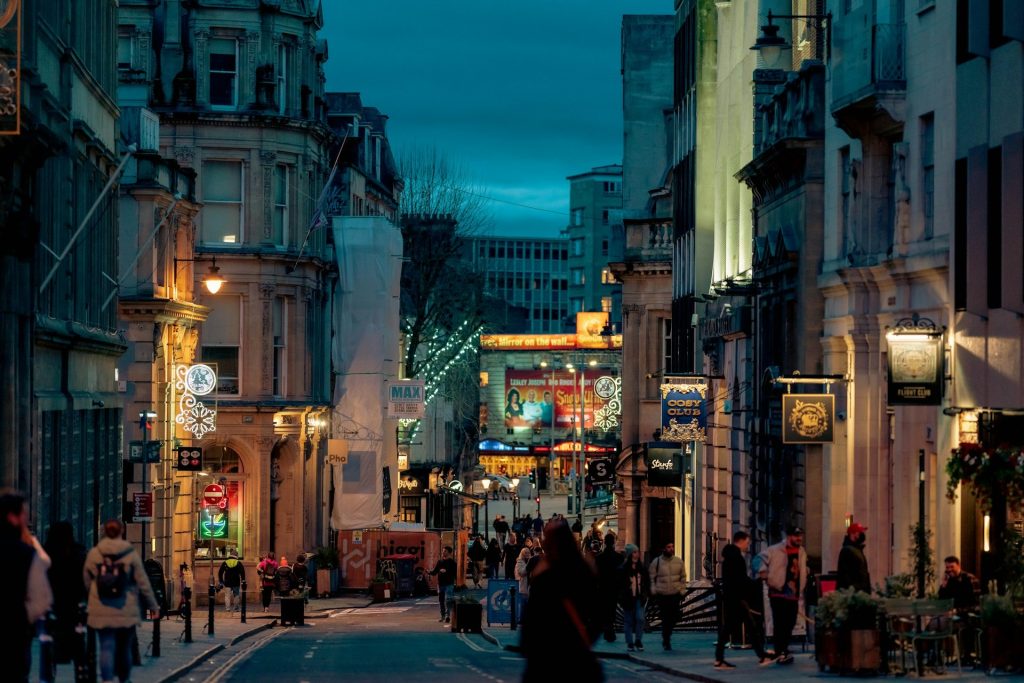
If nightlife is what you are after, Stokes Croft and its surrounding streets are the epicentre of Bristol’s independent bar and music scene. The Harbourside works well for outdoor dining and seasonal events.
As a practical next step, use the Police.uk neighbourhood crime map alongside Rightmove or Zoopla’s sold-price data to compare any shortlisted streets side by side before booking viewings.
If you are buying rather than renting, get clear on the numbers before the search gets too emotional. At Mortgaged, you get dedicated mortgage and protection specialists rather than one generalist stretched across everything.
Ready to find out what you can borrow? Contact us today and get clarity on your mortgage options before you start your search.
Frequently asked questions
Is Bristol safe to live in?
Bristol is broadly safe compared to other major UK cities. Most residential neighbourhoods, including Clifton, Redland, Southville and Bishopston, have low crime rates. Check Police.uk at postcode level before you commit to a specific street.
Which Bristol neighbourhoods are best for nightlife?
Stokes Croft and the surrounding streets are the epicentre of Bristol’s independent music and bar scene. Clifton Village and Whiteladies Road offer a more mainstream strip of bars and restaurants. The Harbourside, including Wapping Wharf, is popular for outdoor dining and events like the Bristol Harbour Festival.
What are Bristol’s most diverse neighbourhoods?
Easton in BS5 is consistently described as Bristol’s most culturally diverse neighbourhood, with strong Somali, South Asian and Caribbean community presence. St Pauls is the historic heart of Bristol’s African-Caribbean community and home to the annual St Pauls Carnival. Both areas offer a rich independent food scene as a direct result of that diversity.
Where do Bristol students typically live?
University of Bristol students concentrate in Clifton, Cotham and Redland due to proximity to the Tyndall Avenue campus. UWE students tend to cluster further north around Frenchay. Stokes Croft and Montpelier are popular with older students seeking cheaper rents and a more independent social scene.
How do Bristol house prices vary by neighbourhood?
Clifton and Sneyd Park sit at the top of the market. Redland and Bishopston occupy the upper-mid tier. Southville and Montpelier have risen sharply due to gentrification. Bedminster, Easton, Totterdown and St George remain the most affordable city-fringe options, while Lawrence Hill and Hartcliffe have the lowest prices.